

A tent is a small, sealed space built mostly from thin synthetic fabric. A lantern is a small heat source you plan to hang above your head. Put the two together without thinking and you end up with scorched panels, stretched stitching or a damaged waterproof coating. Do it properly and a well-placed lantern makes the inside of a tent feel far more like a room. The job comes down to three things: the right lantern, a fixing point that will not fail, and a position that keeps heat and weight away from the fabric.
Choose a lantern that suits tent life
Battery LED lanterns are the sensible default. They run cool, they cannot spill fuel, and most are light enough to hang from a built-in loop. Look for one with its own hook, a dimmable output for late evenings, and either standard AA or AAA cells you can swap in the cold or a sealed rechargeable battery.
Avoid anything that burns. Gas canisters, paraffin lanterns, petrol pressure lamps, methylated spirit burners and citronella candles all produce heat, flames and fumes, and all of them produce carbon monoxide. In a closed tent that is a genuine risk rather than a theoretical one.
If you want the atmosphere of a fuel lantern, use it outside the sleeping area, in a well-ventilated porch with the door open, and never while you sleep or with the tent zipped shut. If you are unsure whether a particular lamp or stove is suitable for use near a tent, ask the manufacturer or a specialist outdoor retailer rather than guessing.
Check the tent before you hang anything
Spend five minutes looking at what your tent already provides. Most have loops, a gear loft or a lantern hook near the apex, and manufacturers fit them for exactly this purpose. Those are almost always the strongest fixing points available to you.
Then remind yourself what the fabric is. Many tents carry a fire-retardant treatment, but that slows ignition rather than preventing it, and treatments vary between brands and fade with UV exposure and washing. Treat every panel as flammable. The same caution applies to the inner mesh, which melts quickly if it touches something hot, and to the groundsheet.
Check that poles, seams and coatings are sound, too. A hanging point is only as good as the stitching around it.
Five safe ways to hang a lantern
Work down this list until you find the option that fits your tent.
- Built-in loops, gear lofts and lantern hooks. The easiest and the safest. Use the lantern's own hook or a small carabiner, and give the loop a gentle tug before you trust it.
- A cord ridge line between two poles. Tie 2–3 mm cord between two upright poles, keeping the tension gentle so the poles are not pulled out of shape. Hang the lantern from a carabiner so you can slide it to one side.
- Carabiners and S-biners. Clip them onto existing loops. Cheap, quick to move, and they let you reposition the light without untying anything.
- Webbing or hook-and-loop straps around a pole. Good for a lantern with a handle, because the strap spreads the load. Do not overtighten on a thin alloy pole, or you can dent it.
- A freestanding lantern stand. In a large family tent, a stand on the floor avoids fixing anything to the fabric at all.
Worth avoiding: suction cups and adhesive hooks rarely hold on silicone- or polyurethane-coated fabric; drawing pins, staples and safety pins puncture panels and start tears; tape leaves residue and fails when warm; and sewing through a coated panel opens a leak. Hanging anything from a seam, a zip or a guy-line eyelet also puts stress where it was never designed to go.
Position, height and weight
Hang the lantern at roughly sitting head height rather than at the apex, where you will knock it every time you stand up. Aim for at least a hand's width of clear air, ideally 30 cm, between the lantern and any fabric panel.
Think about where you sleep. A lantern swinging above your face is irritating, and if it comes loose in the night it will land on you. Keep it off the door zip line, clear of vents, and out of the narrow gap between inner tent and flysheet, where warmth collects with nowhere to escape.
Keep hanging loads modest. A lightweight lantern, a small torch or a pair of glasses are fine on a purpose-made loop. Anything heavier belongs on the floor or on a pole designed to carry it.
Heat, cables and batteries
Even cool-running LEDs warm up at the base. Never drape a towel, T-shirt or sleeping bag over a lantern to dim it; that traps heat and is how fabric starts to scorch. Use the dimmer switch instead.
Charging cables are a trip hazard in the dark. Run them along the edge of the sleeping area, under a mat, or along the line of a pole rather than across the middle of the floor. Do not charge a power bank inside a sleeping bag, and keep it out of direct sun. Cold shortens battery life, so keep spare cells in a pocket overnight.
If a lantern, cable or plug feels hot to the touch, switch it off, unplug it and take it outside. Do not put it back in the tent until you understand why it heated up.
Fuel, flames and carbon monoxide
Carbon monoxide is invisible and has no smell. It is produced whenever you burn gas, petrol, paraffin, wood or charcoal, and it builds up in enclosed spaces. A tent counts as an enclosed space even when it feels airy. Never use a fuel-burning lantern, stove, heater or barbecue inside a tent, and never in a porch with the door closed.
If you cook in a porch, keep the door and vents open and never leave a flame burning while you
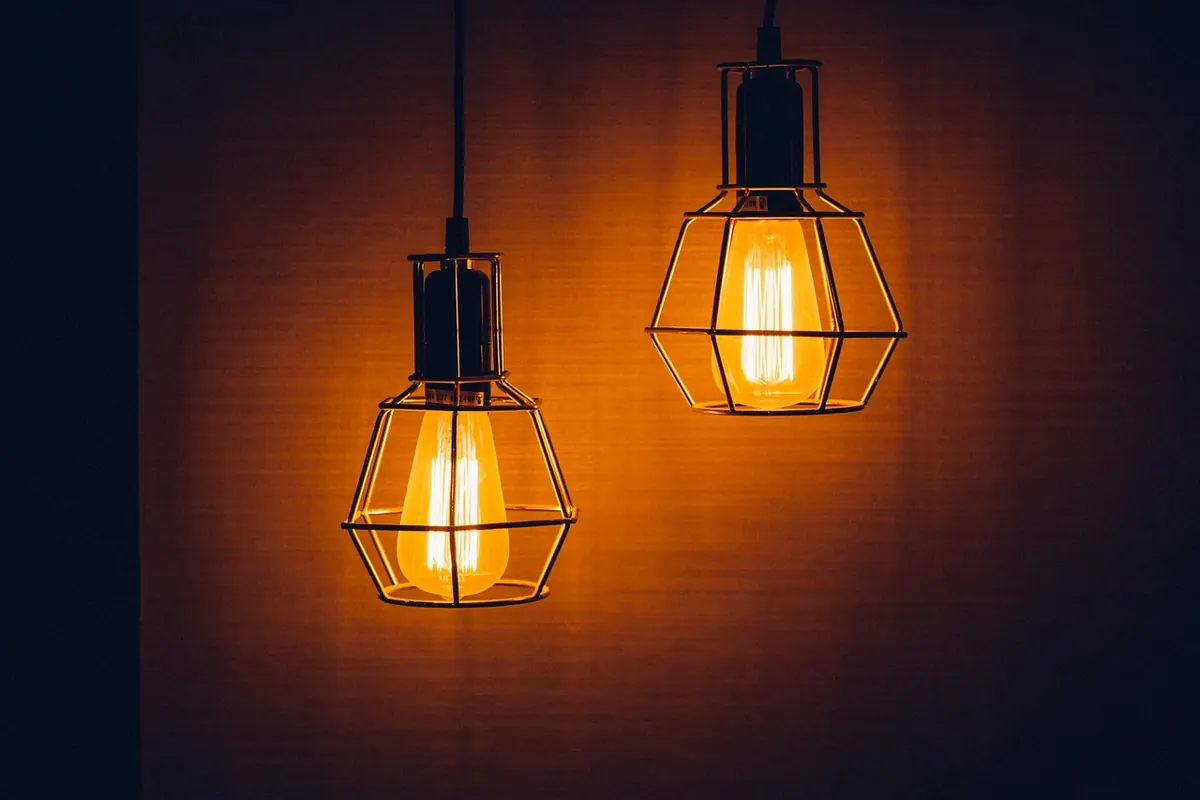
Photo: xegxef / Pixabay